


Shipment Volume
Share package count, external dimensions and total weight.
Ocean freight / LCL
For smaller shipments, discuss shared container space and the handling stages that matter to your cargo.
Discuss This Shipment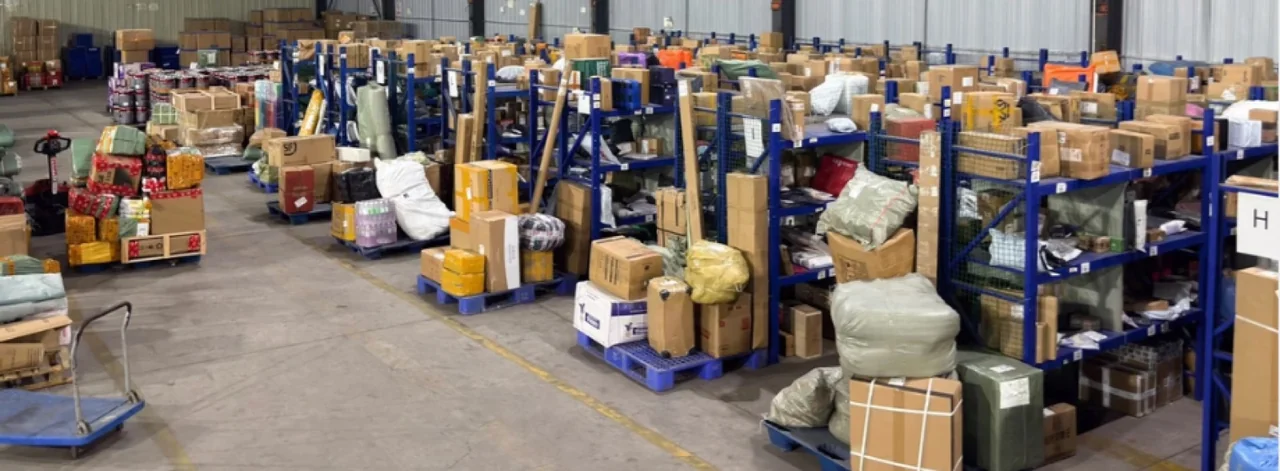 Ocean freight / LCL
Less than container load shipping brings cargo together in a shared container. It can suit shipments that do not need a dedicated unit, with consolidation and destination handling included in the planning discussion.
Share package count, external dimensions and total weight.
Explain whether goods are palletized, fragile or unsuitable for stacking.
Confirm collection and destination details before comparing options.
Packed volume
Use outer packed dimensions, including pallets and protective packing. Share whether the cargo can be stacked.
Illustrative volume example
For one carton. Ten identical cartons total 0.96 m³ before any additional pallet or outer packing.
Measured volume is only part of the quotation. Confirm the chargeable basis and handling costs.Business execution
Align warehouse arrivals, final measurements, the approved consolidation list and destination release so smaller shipments retain clear ownership through each handoff.
Agree who prepares each record and which work is included in the actual shipment scope.
Scope, timing and charges are confirmed for the specific shipment. Read the official Jeton Express service standards, then send the details directly to our team.
Scope & changes
Confirm priced tasks, responsibility and the conditions that reopen a decision.
Confirm volume or weight basis, applicable minimum, final measurements and how non-stackable cargo affects the quotation.
Specify receiving, storage, palletizing, repacking and consolidation separately, including the unit used for each selected task.
Clarify deconsolidation, document release, clearance, collection and delivery charges; identify who arranges and pays each stage.
Update received, missing and retained package lists; reassess departure and storage scope, then approve a complete or specifically identified partial release.
Remeasure finished cargo and reassess stacking, chargeable basis and handling; approve the revised package list and quotation before consolidation.
Transport comparison
| What to compare | FCL | LCL | Air Freight |
|---|---|---|---|
| Container space | A dedicated container | Shared container space | Aircraft cargo space |
| Planning priority | Loading layout and container suitability | Consolidation and repeated handling | Urgency and chargeable weight |
| Cargo information | Packed dimensions, total weight and loading access | Package count, volume, weight and stackability | Gross weight, outer dimensions and product restrictions |
| Cost discussion | Container, origin and destination scope | Chargeable volume or weight and handling charges | Chargeable weight and the selected service |
| Next step | Review the container plan | Review the consolidation plan | Review the air service |
Get the information ready
Agree the actual record owners, match the shipment facts and identify the work still awaiting confirmation.
Package count, dimensions and total gross weight.
Product descriptions, values and trade parties.
Handling instructions and any product-specific documents.
Prepare the details
LCL combines cargo from different shipments and separates it at destination. Confirm receiving, consolidation, destination release and onward delivery rather than comparing only the ocean freight line.
Use final packed volume, gross weight and package count. Ask about the charging unit, minimums and separate handling items. There is no universal volume threshold that makes FCL cheaper for every route.
Illustrative planning example
The same goods could travel in supplier cartons or in reinforced packages that cannot be stacked. Added protection may change outer dimensions, gross weight and the handling required for shared-container transport.
Decide which finished packing arrangement suits the goods and the accepted handling route. Request both quotations on their actual package specifications; added packing does not guarantee acceptance or a lower total cost.
This is a planning example. Confirm acceptance, the included work and the proposed timing for the actual shipment.
Questions before shipping
Compare the full move. Origin and destination handling can change the outcome, particularly as cargo volume grows.
Packaging should protect the shipment during consolidation and repeated handling. Share photos with our team to discuss practical requirements.
Send supplier locations, package details and cargo-ready dates so our team can assess collection and consolidation requirements.
Connected services
 04
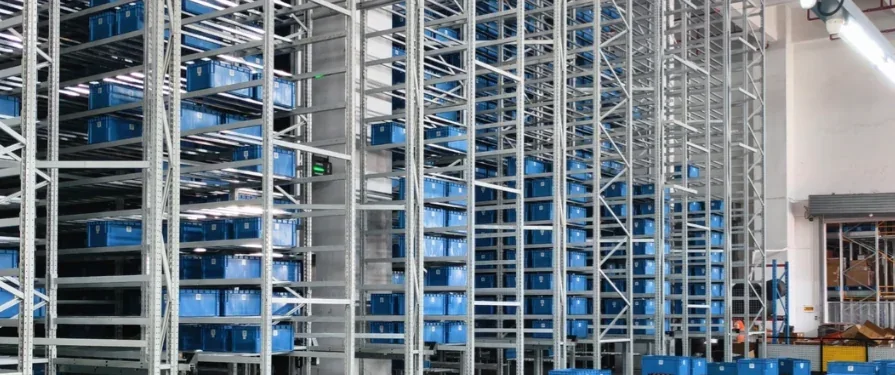
04Coordinate cargo reception and processing with our Guangzhou operations team.
Explore Service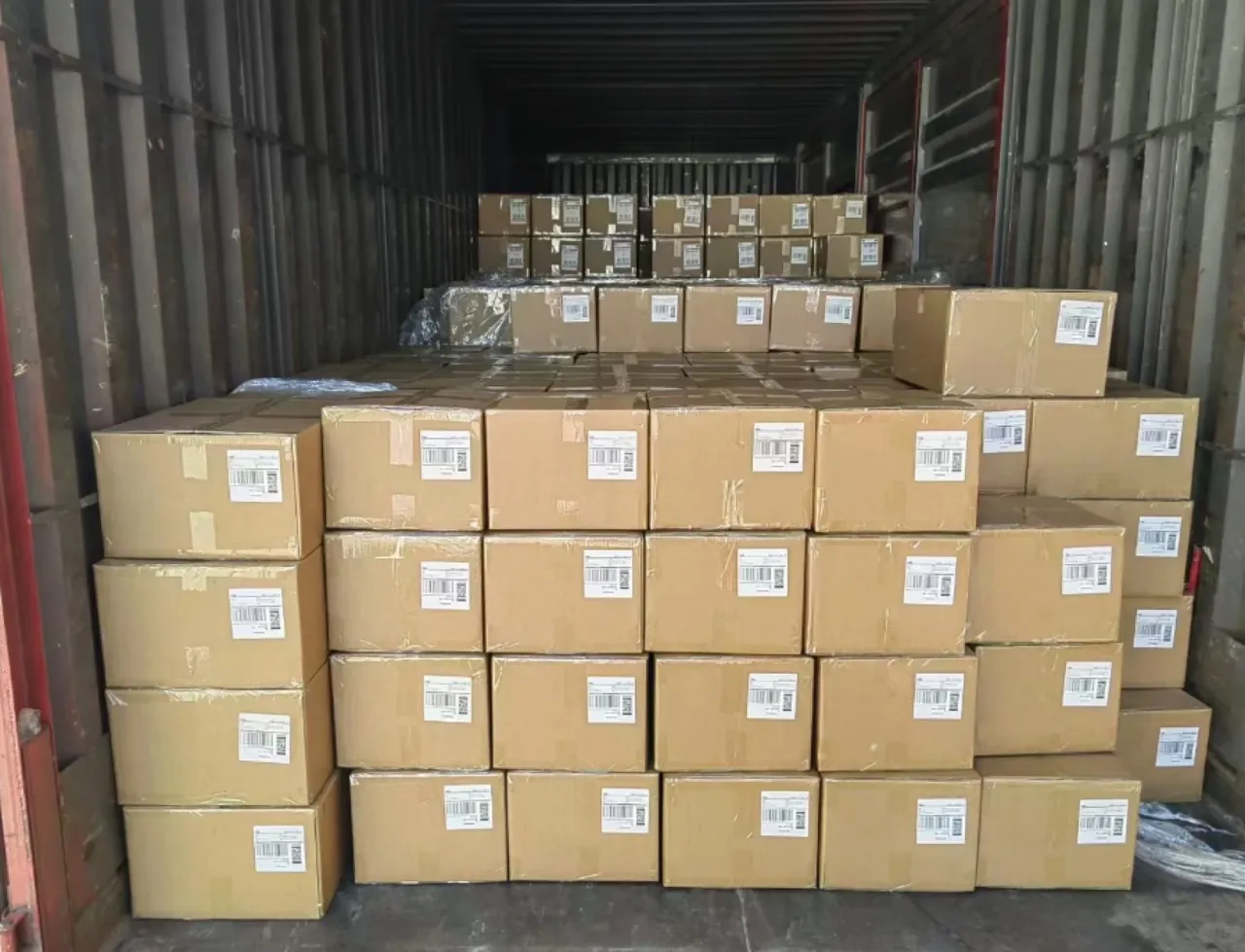 01
01Dedicated container space for a coordinated origin-to-destination move.
Explore Service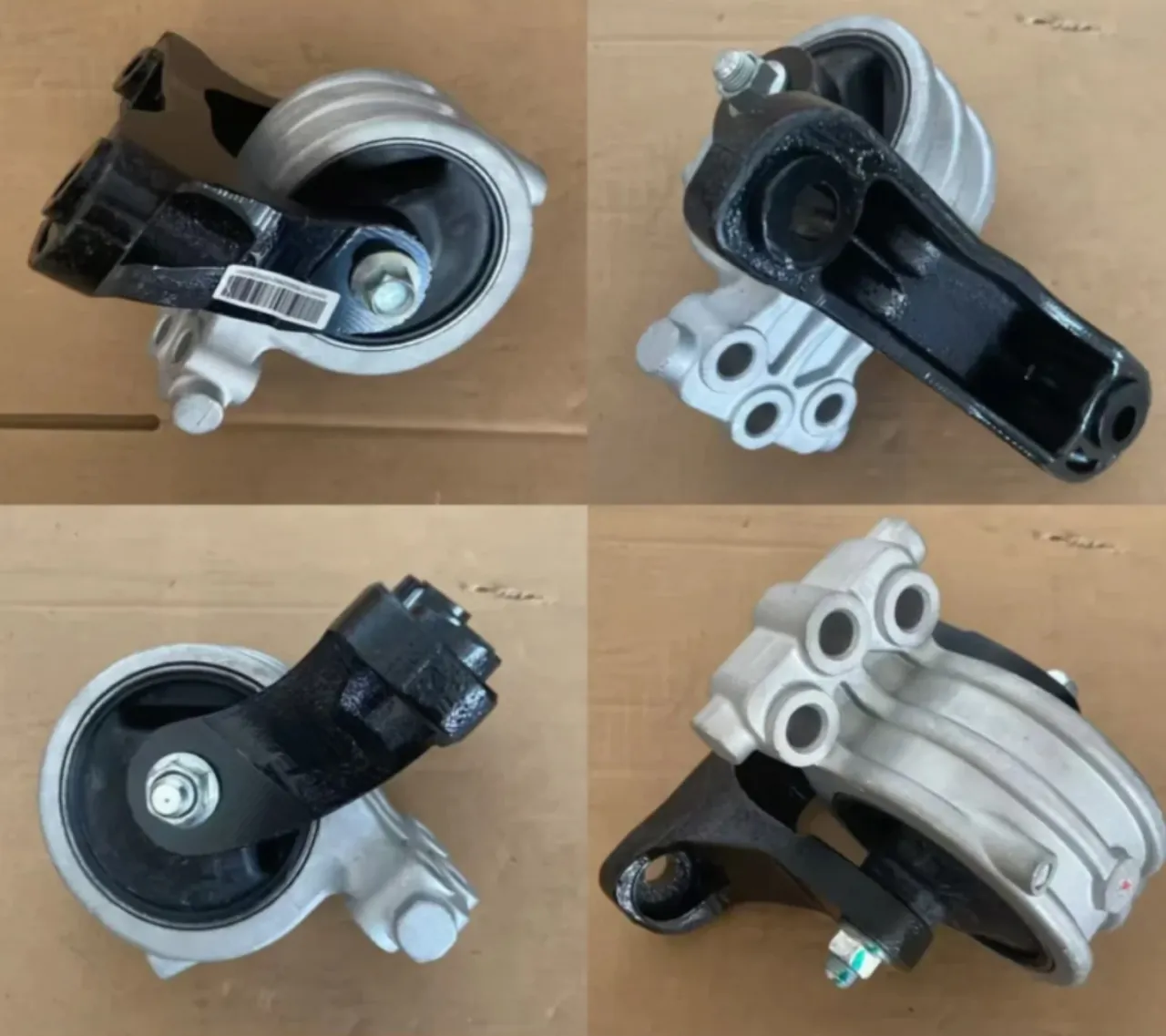 05
05Coordinate assisted purchasing, suppliers and the onward shipment plan.
Explore ServiceYour next shipment
Tell us what you are shipping and where it needs to go. Our team will help you work through the next steps.